Chinchero is recognized as the ‘rainbow town’ because during the rainy season (especially in January, February or March) it is possible to observe this natural phenomenon very easily in this town .
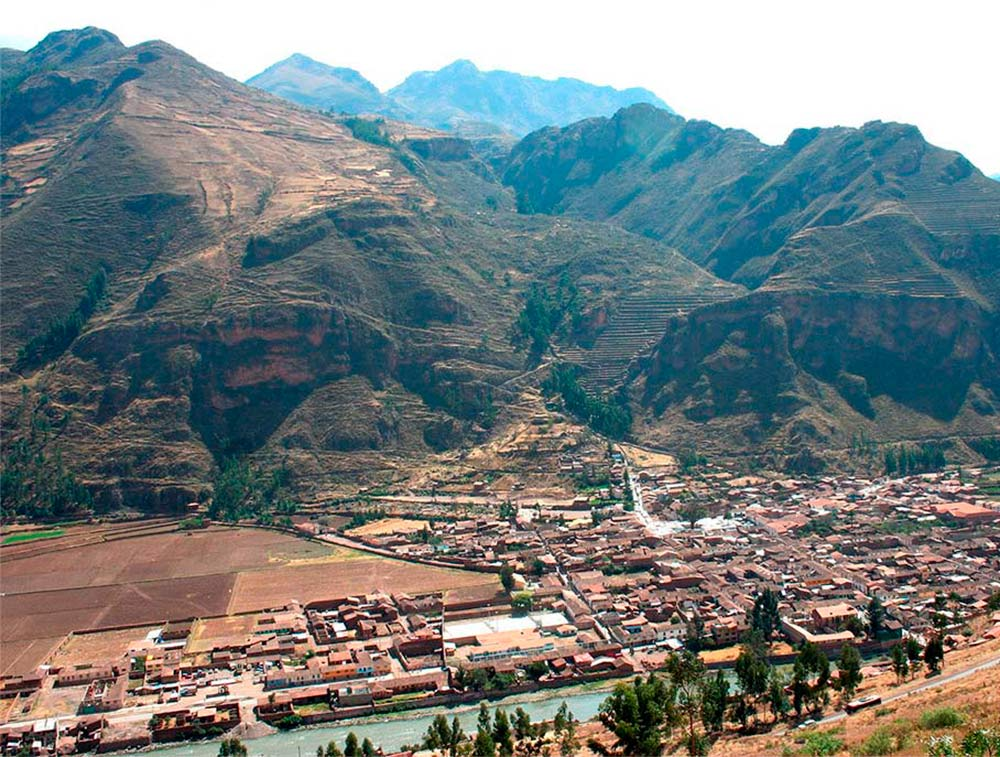
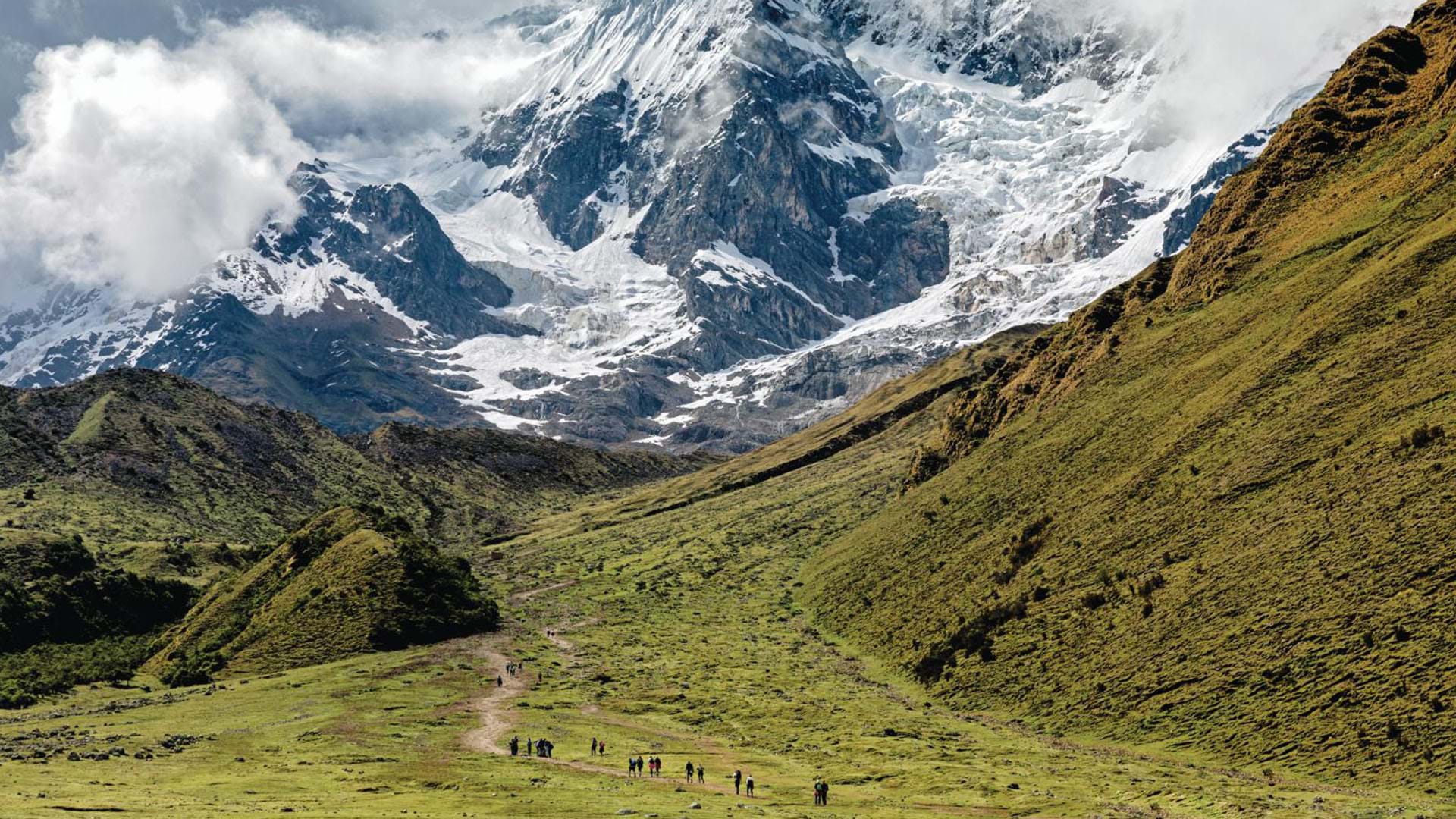
It is located 28 kilometers from the city of Cusco, in the province of Urubamba, at 3,780 meters above sea level. The town is flanked by large snow-capped mountains such as Salkantay , Verónica and Soray , and the Huaypo and Piuray lagoons .
Chinchero is the most typical and picturesque town in the Sacred Valley of the Incas, bringing together twelve Andean indigenous communities that are still governed by the Inca organization system called “Ayllu”.
Its population is dedicated to the cultivation of native species and livestock, although today tourism drives a large part of the local economy. A town that fights to keep its ancient tradition alive.
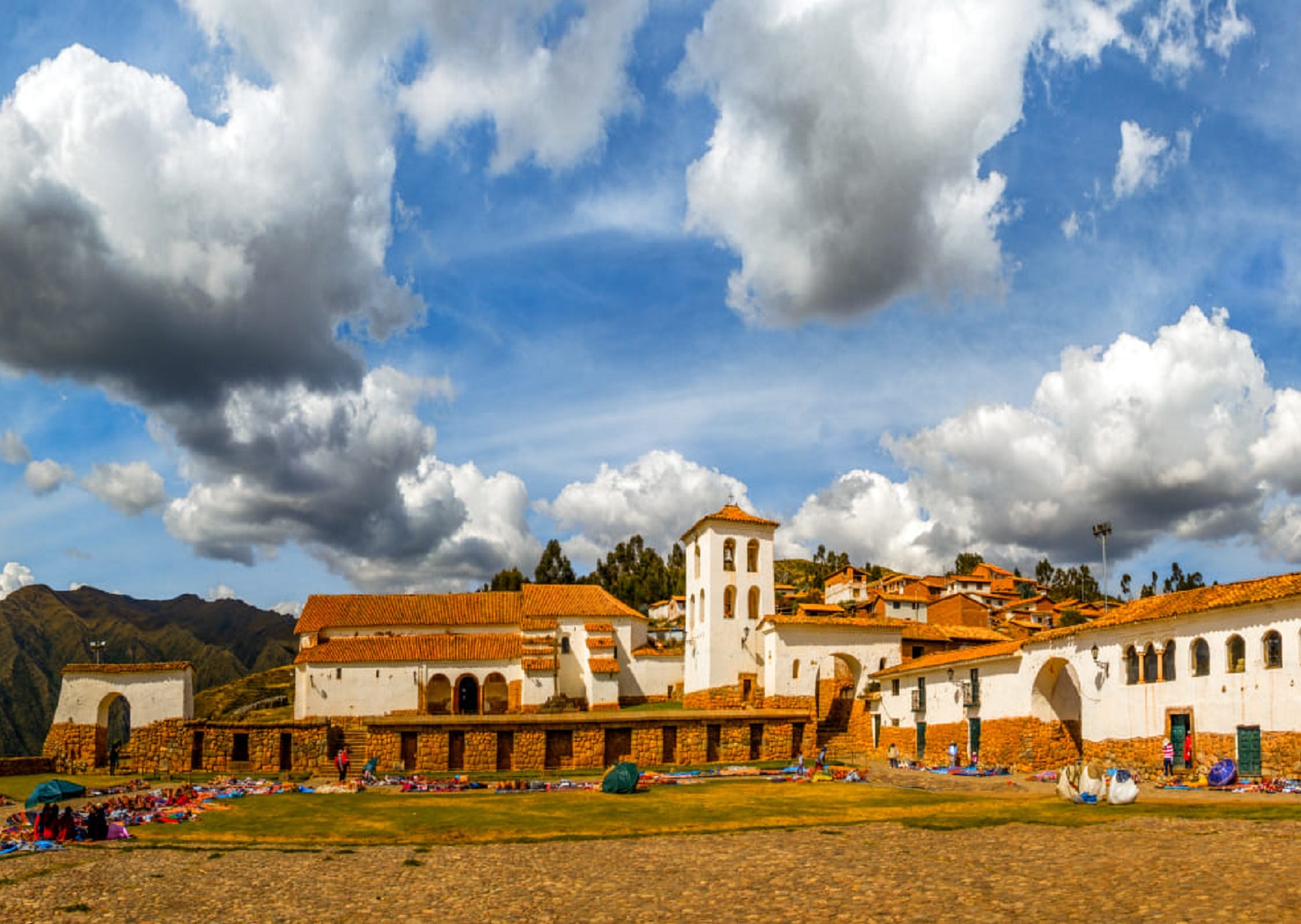
In Chinchero, its spectacular main square stands out very clearly, an extraordinary fusion between Inca architecture and colonial architecture, which make Chinchero a unique place.
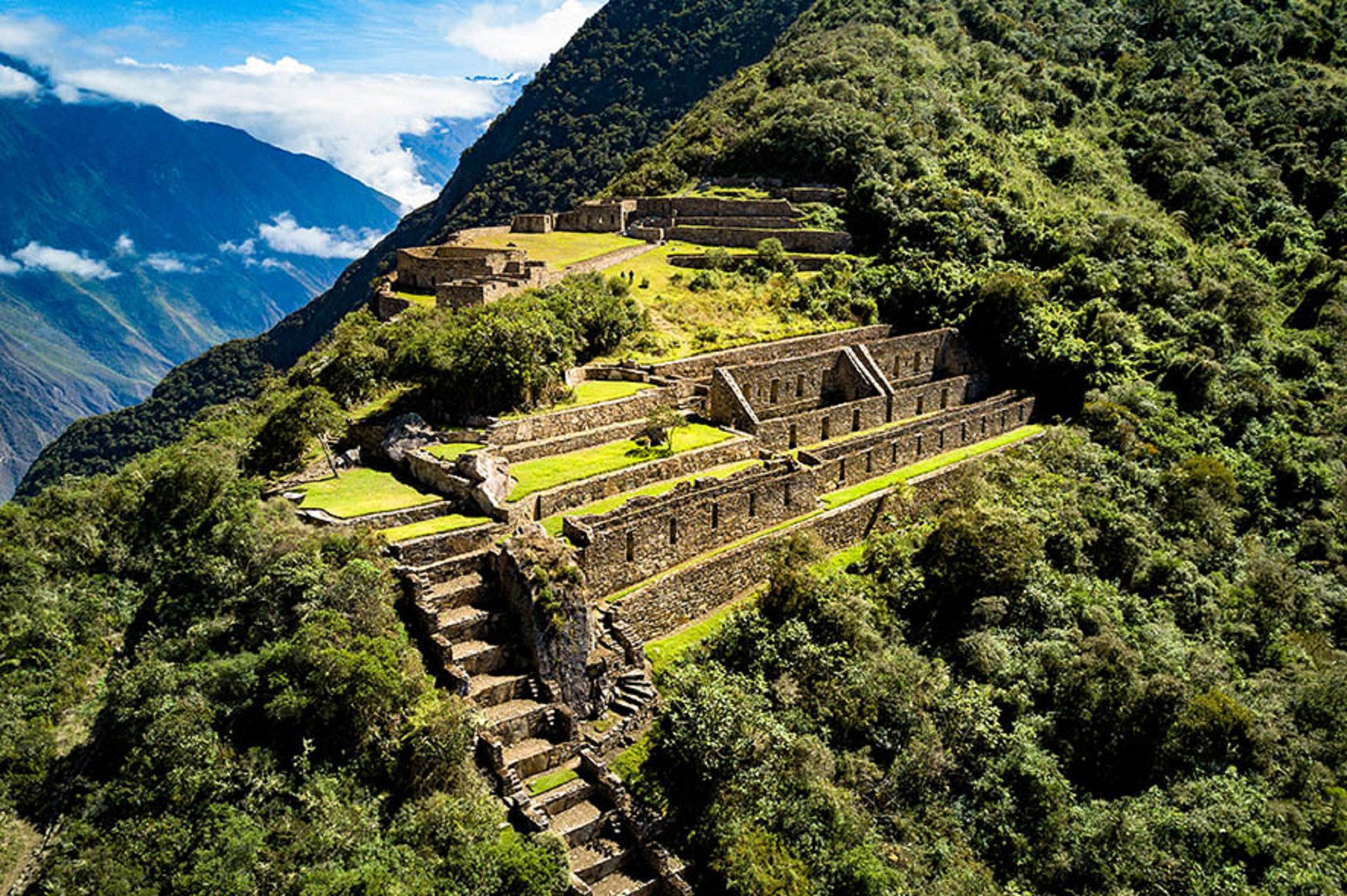
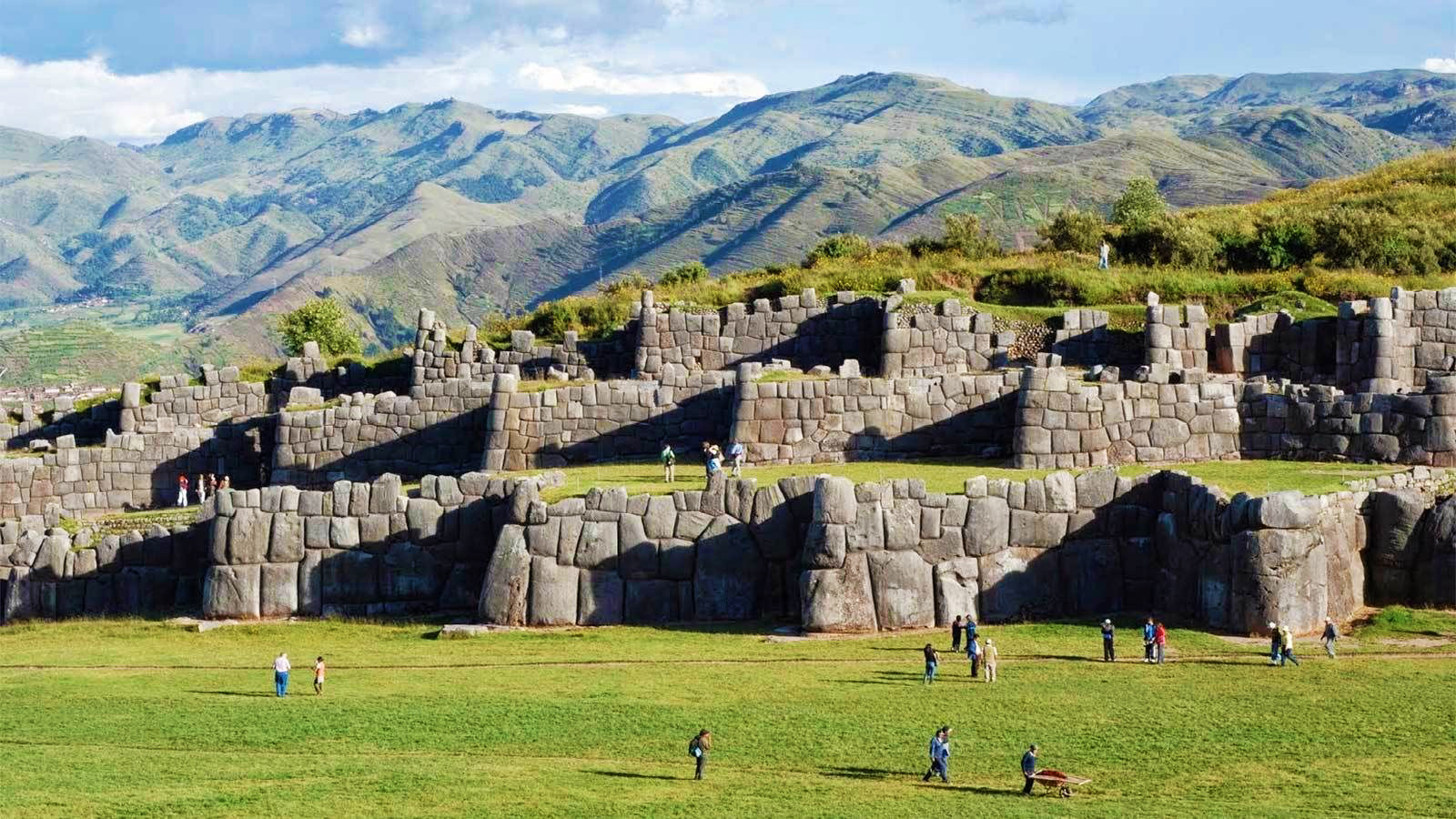
Next to the plaza stands the remains of what was the palace of Inca Túpac Yupanqui, a large Inca wall with 10 trapezoidal niches that is preserved to this day, showing how beautiful the palace must have been.
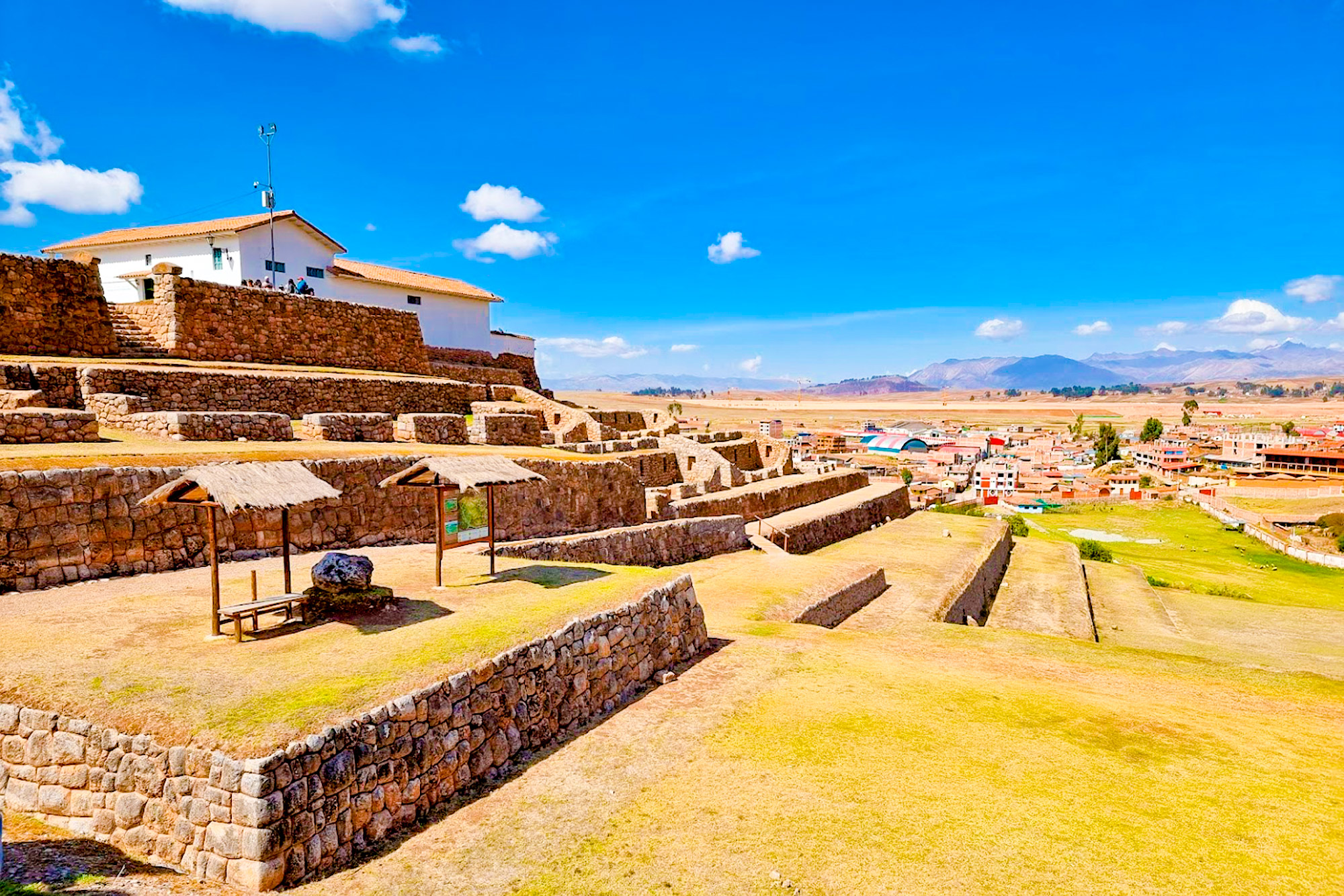
Additionally, in the plaza and its surroundings you can see Inca buildings and terraces that show the original Inca urban layout .
The chronicles say that in 1540 AD Manco Inca ordered Chinchero to be burned while fleeing from the Spanish conquerors, so that they would run out of supplies.
On the remains of the Túpac Yupanqui palace is the Chinchero church.
It was built around 1572 by Viceroy Toledo and completed in 1607, calling it the Church of Our Lady of Monserrat.
This church is one of the best examples of Cusco religious art, it was built on Inca walls, with an altar decorated in baroque style gold leaf and on whose walls you can see original works by indigenous artists Diego Quispe Tito (the greatest representative of the Cusco school) and Francisco Chihuantito .
In Chinchero the Incas built an impressive network of Inca platforms and roads that surrounded the palace of Túpac Yupanqui .
Research at the archaeological site indicates that the place was populated before the Incas by the Killke culture , which took full advantage of the fertile lands of the place.
The archaeological site covers an area of up to 43 hectares where you can see platforms, terraces, stone enclosures, Inca roads, stone banks, water channels and temples.
During the war between the Incas and the Spanish in the mid-16th century, Manco Inca’s army burned Chinchero, its platforms and enclosures, to prevent the Spanish from getting supplies during the Inca flight towards Vilcabamba.
Today the archaeological site of Chinchero is the main tourist attraction of the place. Admission is included in the Cusco Tourist Ticket (cost of 70 Peruvian soles) which also offers entry to Pisac, Ollantaytambo and Moray.
Chinchero is characterized by the living culture that it still maintains despite the strong incursion of the modern world on traditions.
On Sundays, a fair is held in the main square of Chinchero, where you will see local products, handicrafts and, above all, textiles sold. There it is still possible to obtain products through barter, just as the Incas did.
Chinchero textiles are manufactured in the ancestral style. That is, the weaving and dyeing are done using natural products, without modern artifacts .
If you wish, you can see in the textile centers how the women dressed in their beautiful costumes carry out the process of spinning and dyeing the wool with natural dyes, and appreciate the way they weave following the ancient tradition.
In the town there are dozens of textile centers that show visitors this ancestral way of making their clothing. In each location there is a sale of products made from alpaca and baby alpaca.
Chinchero is surrounded by two large and beautiful lagoons: Piuray and Huaypo . These are separated from each other by 18 kilometers. Since Inca times, these have been a natural water source for the city of Cusco and various towns in the Sacred Valley of the Incas.
Around the lagoons you can see a mountainous landscape where the snow-capped Soray , Verónica and ‘Apu’ Salkantay stand out .
Likewise, in these lagoons you can practice adventure sports such as kayaking and stand up paddle. To do this, you must contact the tourism agency of your choice.
There is a famous legend about these lagoons. It says that the first Inca ruler Manco Cápac received the order from his father, the sun god, who, along with his children, would accompany him to his death, the sunset. The Inca did it like this. However, before reaching their destination, the children became gaps: the boy who was ahead became Huaypo and the girl who was delayed became Piuray .
The geography full of mountains of Chinchero is ideal for practicing various adventure sports such as: paragliding cycling, hiking and ATV routes.
The ATV adventure is highly preferred by young people who visit the Sacred Valley of the Incas. This begins in Chinchero, crossing its fields and mountain landscapes until visiting the Salineras de Maras and the circular terraces of Moray.
Paragliding takes place on Cerro Sacro, in the upper part of Chinchero. There the winds are conducive to flying over with incredible views of the entire Sacred Valley . To carry out this adventure you can contact any tourism agency in Cusco.
Although cycling and hiking can be done on your own, it is best to go with a tourism agency that offers 100% security.
In Chinchero you can also take a short hiking route along the historic Inca trails, the qhapac. ñan This is the Inca route to the town of Urquillos in the warm lands of the Sacred Valley of the Incas . The route is 9 kilometers and free for everyone.
In Chinchero you can also enjoy the delicious Cusco cuisine. In the town market, especially at the Sunday fair, typical dishes such as fried guinea pig, fried trout or chicharrón are sold. A good idea is to accompany these dishes with a glass of chicha, a fermented corn drink widely consumed by the Incas.
Chinchero travel guide: hotels, restaurants, prices
Entrance price to Chinchero
The visit to Chinchero can be done with a tour to the Sacred Valley of the Incas (entrance fees included) or on your own by purchasing the ticket at the entrance gate of the archaeological site.
The entrance to Chinchero is with the Cusco Tourist Ticket. The cost is 70 soles for foreign tourists and 40 soles for Peruvian tourists. The ticket also allows entry to the archaeological sites of Moray, Ollantaytambo and Pisac.
The 1-day tour to the Sacred Valley of the Incas includes a visit to Chinchero, as well as the archaeological sites of Ollantaytambo and Pisac. This service includes pick-up from the hotel, tourist transportation, entrance to all tourist attractions, professional tour guide and buffet lunch in the town of Urubamba.
The 1-day tour to the Sacred Valley of the Incas costs between $50 and $80 depending on the tourism agency you choose.
The archaeological site of Chinchero is open to the public from Monday to Sunday from 8 in the morning to 5 in the afternoon.
JK Travel & Exhibition, is a tourist enterprise that offerd specials tours and services .