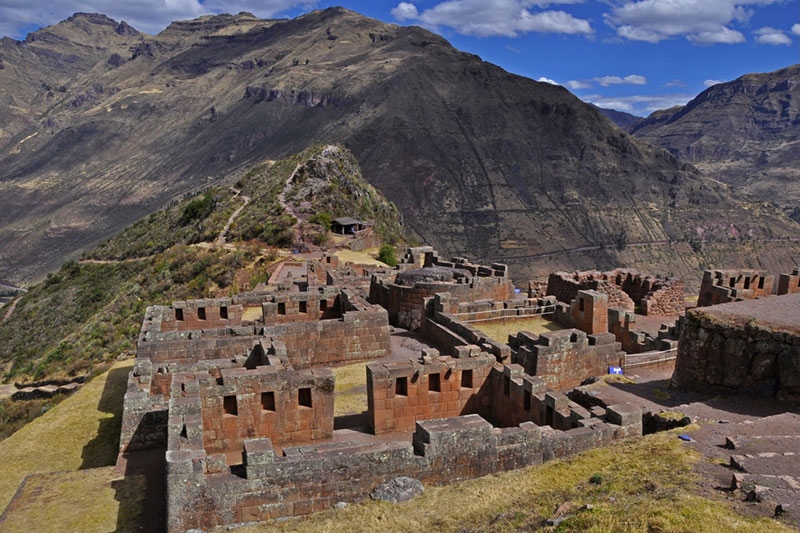
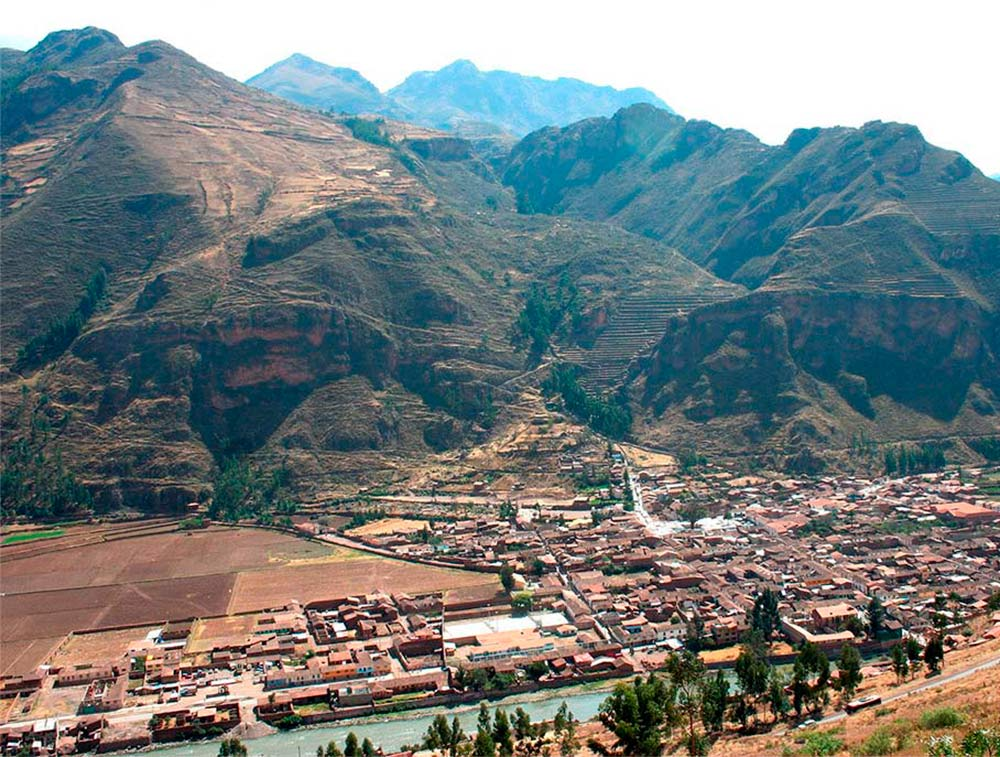
The town of Pisac is part of an ancient history. It has a cosmopolitan culture and present, which is giving it a particular modernity. People who seek this town do so for the experiences they can find: the Inca archaeological site, the beautiful landscapes and the spirituality that is breathed everywhere. The territory was an important Inca and colonial space. Today, in addition to its famous artisan market, the best in all of Cusco, it has hotels, restaurants and other high-level tourist services.
The traditional town of Pisac
• Pisac is recognized as one of the towns that best maintains its traditions, dances, music and clothing.
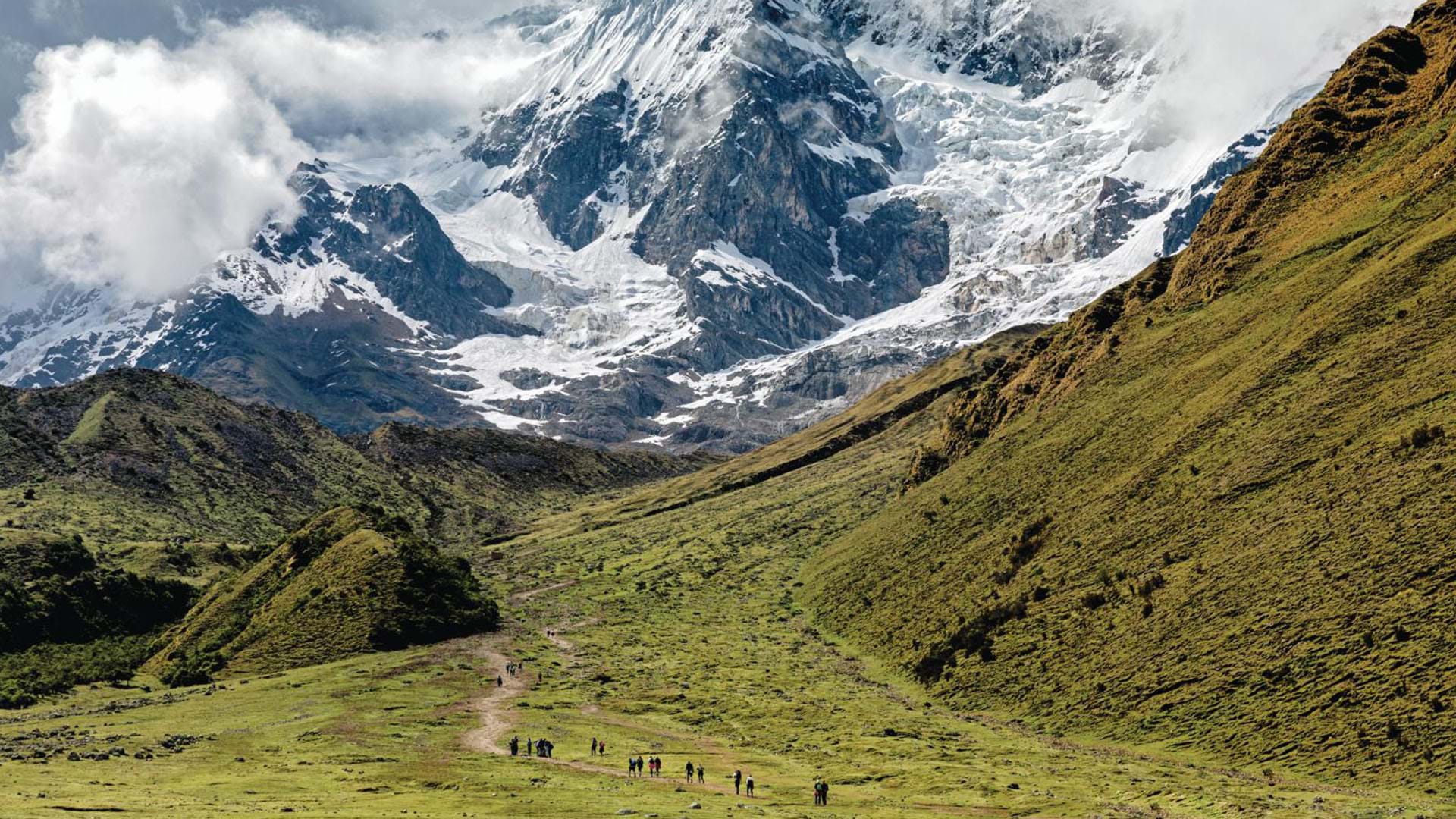
• The first thing that catches your attention about the town is its geography surrounded by mountains on the banks of the Vilcanota River, the same one that reaches Machu Picchu. Then, the most striking thing is the clothing of its residents who wear their traditional multicolored costumes.
• In the town there is a craft market that, on Sundays, overflows with people until it reaches the main square . The origins of the town date back to colonial times. There are hundreds of craft stalls made by the residents themselves for sale. For this reason it is also recognized as the ‘town of artisans’.
What does Pisac mean?
• The word Písac (or Písaq ) comes from the Quechua words “ pisaq or p’isaqa ”, which means partridge . Like the Inca cities of Machu Picchu and Cusco, Pisac has the shape of an animal precisely from which it receives its name.
Why visit it?
• Pisac is one of the most beautiful towns in the Sacred Valley of the Incas. There are many things to do there: historical visits, adventure sports, experiential tourism or simply enjoying the landscapes.
• It is one of the best places as a base to visit the other towns and impressive places in the valley.
• Pisac has dozens of hotels, some are in the main square, others are in beautiful surrounding areas. Some of them even serve old farms from the 17th and 18th centuries.
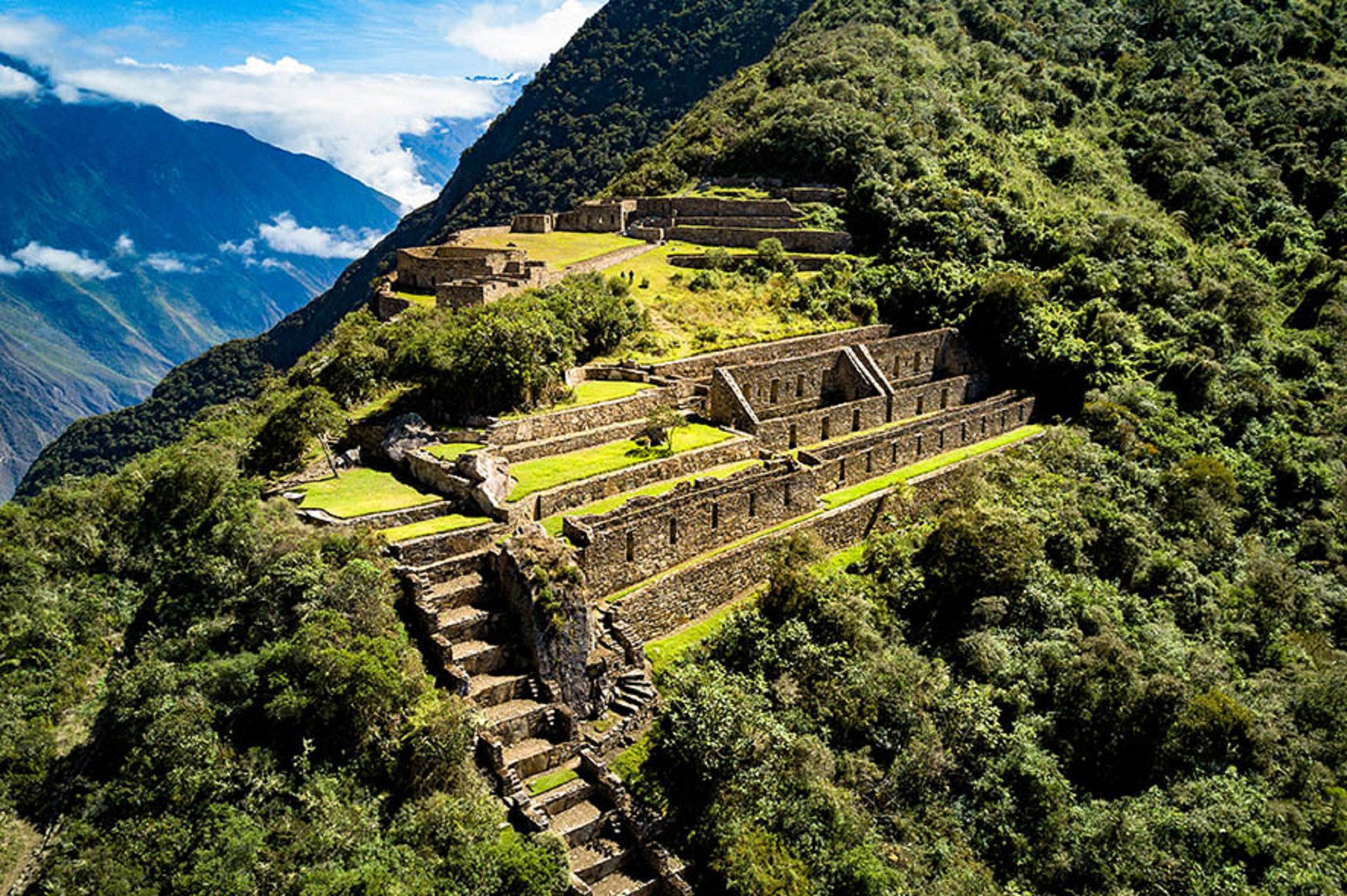
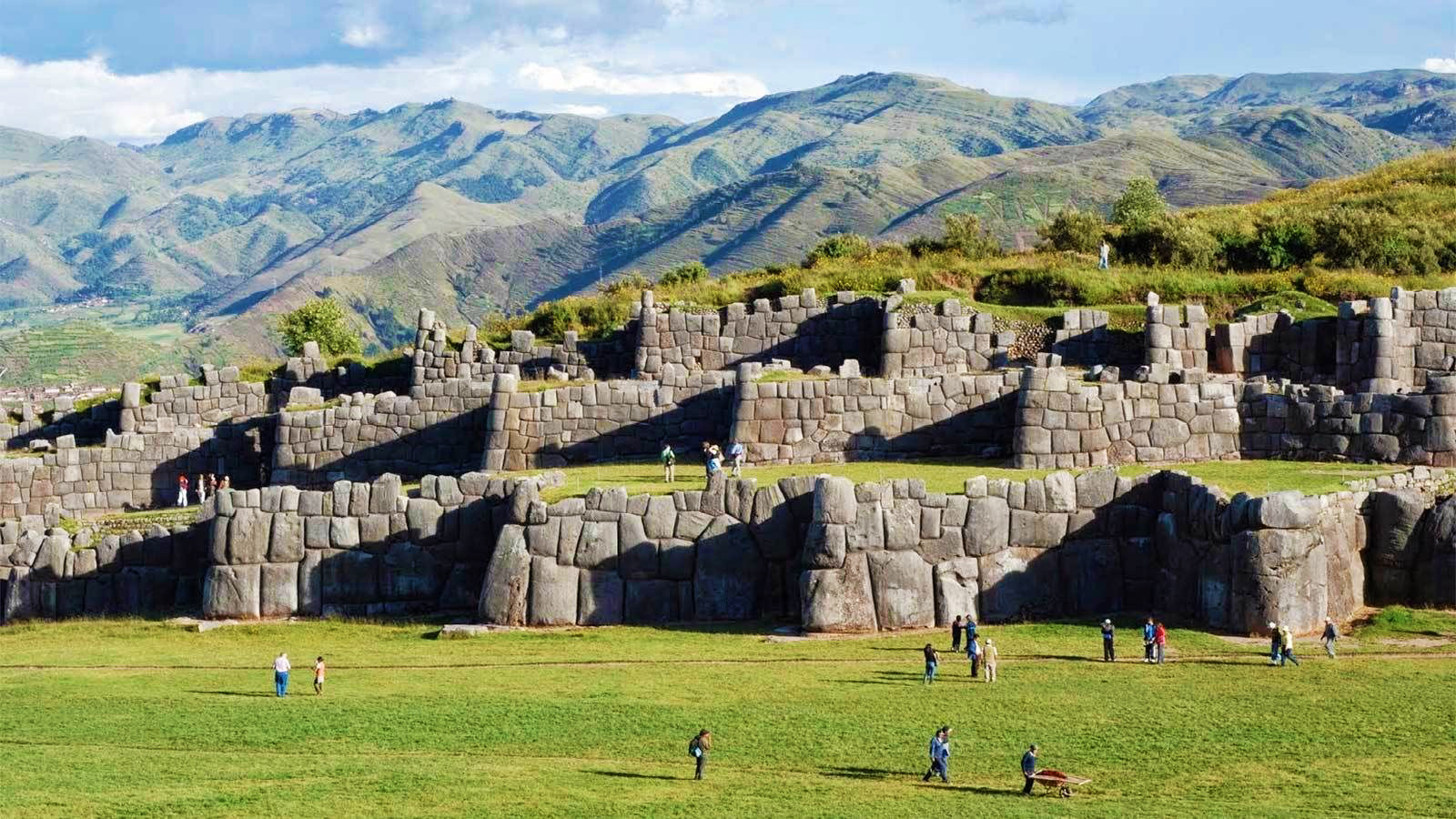
• Its main tourist attraction, without a doubt, is the archaeological site of Pisac . There the Incas built an immense citadel, full of platforms, temples, enclosures, roads, squares and even a cemetery that was looted by the Spanish upon their arrival in Cusco (1533).
What to expect from the visit?
• Pisac is not only about the amazing Inca ruins or its world-famous craft market. This small town offers, above all, the peace and quiet typical of areas far from cities, but with absolutely all the comforts.
• The people of Pisac are committed to their culture and preserve it . This can be seen in an endless number of cultural activities inside and outside the town that will give you a clear vision of life in the Andean world.
Where is the town of Pisac located?
• Pisac is located 33 kilometers by road from the city of Cusco. It is located on the east side of the Vilcabamba mountain range, on the banks of the Vilcanota River. It is at a height of 2,972 meters above sea level, in the heart of the Sacred Valley of the Incas.
How is the town of Pisac designed?
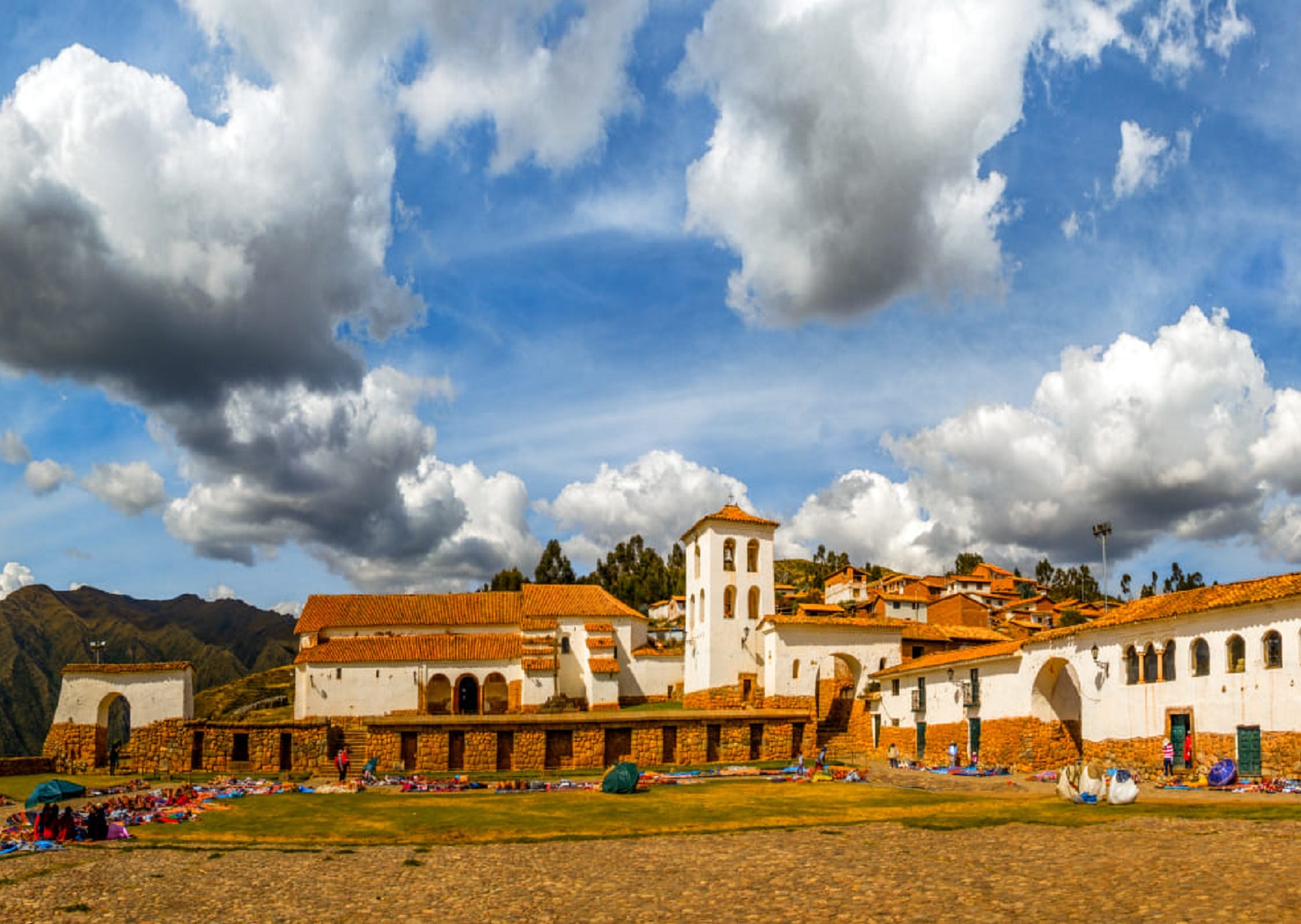
• The town has Inca and colonial structures. Its main square is one of the most entertaining places in town, it is colorful and has many unique artisan items.
• The architecture of Pisaq is also mixed. The colonial town was built by orders of Viceroy Toledo on the remains of Inca buildings.
• Early in the morning masses are held in the main temple of Pisac. In most cases these are done in Quechua; the language of the Incas. People from all over the town attend, the authorities, artisans, people from nearby communities and, sometimes, tourists as well.
The Plaza de Armas of Pisac
• The main square of the town of Pisac is beautifully decorated with ancient trees; narrow cobbled streets that, every Sunday, function as a market .
• In the square, the colonial church of San Pedro Apóstol de Pisac stands out. On Sundays masses are held in the Quechua language, the same language used by the Incas.
• Finally, around the square you can find some of the most varied restaurants, cafes and bars in the area.
Legends of the town of Pisac
The legend of Inkill Chumpi (princess of the flowery sash)
• Inkill Chumpi was the sole heir to the territory of Pisac. Her destiny was to marry the one who could build a bridge over the Wilkamayu River (Vilcanota) in a single day.
• When this became known, many brave men volunteered to perform this feat. Asto Rimac was owner of the forested lands to the east; He was the princess’s secret lover, and was chosen to attempt a tremendous feat.
• When Asto Rimac was about to begin such a difficult task, Inkill Chumpi went to invoke the Apus (spirits of the mountains) to help him. The spirits agreed to help him with the only condition that she would not see such a prodigy until it was completed.
• Just before the bridge was finished, the princess began to hear loud noises and gave in to the temptation to see what was happening and turned to observe.
• At that moment the Urubamba River swallows her lover, and she is turned into stone, standing with her gaze lost in the Pisac Valley .
• The stone figure can still be seen in the place today.
JK Travel & Exhibition, is a tourist enterprise that offerd specials tours and services .